Introduction
Welcome to the website of the Sirius A symposium!
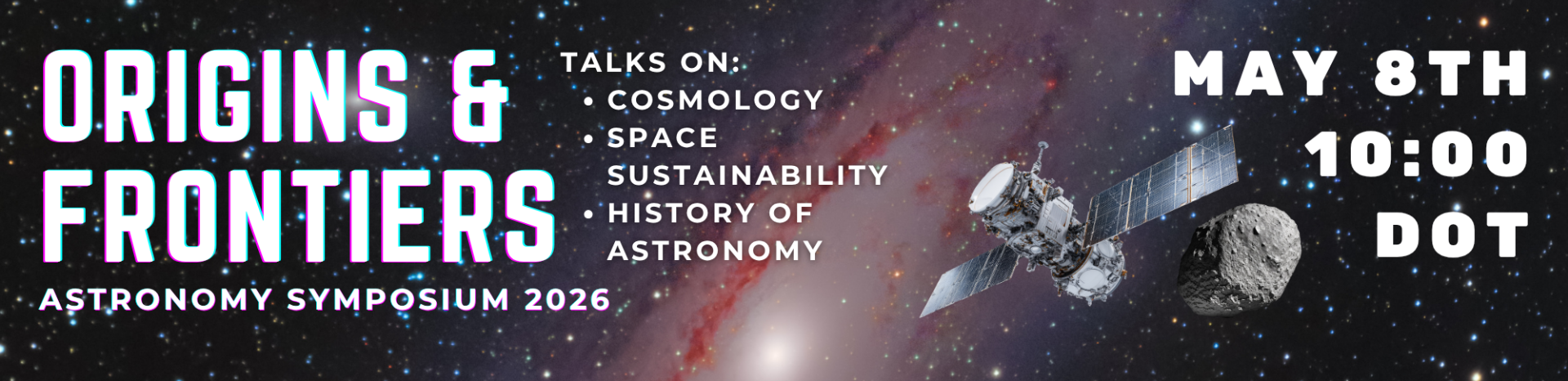
Join us on the 8th of May, 2026, at the DOT Planetarium in Groningen for a day dedicated to the biggest mysteries of the Universe. During our astronomy symposium, you'll hear from 5 international and local speakers. Through engaging talks designed for a broad audience, we'll dive into questions about the Universe and what awaits us in space. This year's symposium titled "Origins and Frontiers: The past and future of our universe" will be focusing on cosmology, and the history and future of astronomical discovery. The event will take place in the immersive dome of the DOT Live Planetarium (Vrydemalaan 2, Groningen), with the first talk starting at 10:00 and the event concluding around 16:00. The price of your ticket will include refreshments, a coffee break and lunch. Whether you're a student, space enthusiast, or simply curious about the Universe, this event offers a chance to hear from experts and experience astronomy in a unique setting.
Programme
Speakers
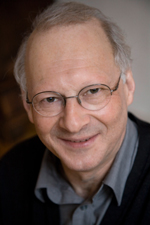
Hendrik Floris Cohen
H. Floris Cohen is a historian of science. Educated in a history department, he turned to the history of science for two reasons. He kept wavering over what to prefer, science or the humanities, so he opted for both. He also became convinced that, if we wish to understand the making of the modern world we live in, we must seek above all to grasp how modern science came into being. Just about all his scholarly researches from the late 1970s onward have been directed toward that end. In his book How Modern Science Came Into the World. Four Civilizations, One 17th Century Breakthrough, he claims to have solved the problem. He has recently returned to that still larger problem of how the world got modern, with a view to helping resolve it as well. The book's provisional title is 'How Our World Has Become Modern: A Threefold Revolutionhendri, and he has meanwhile completed three of the eight chapters currently foreseen.
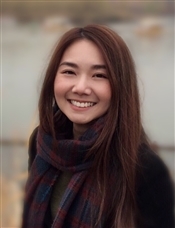
Xiao-Shan Yap
Dr. Xiao-Shan Yap is Assistant Professor of Earth-Space Sustainability at the Copernicus Institute of Sustainable Development, Faculty of Geosciences at Utrecht University in the Netherlands. Yap is Principal Investigator and the director of a five-year research program (2024 - 2029) on 'Planetary stewardship in view of earth-space sustainability' (PLANETSTEWARDS), supported by a 1.5 million euro 'Starting Grant' from the European Research Council (ERC). She pioneered the concept of 'earth-space sustainability', which advocates tackling challenges on Earth and in space in an integrative way as anthropogenic activities expand into outer space. The PLANETSTEWARDS Project aims at developing stewardship-oriented governance frameworks to address environmental integrity and justice on a multi-planetary level.
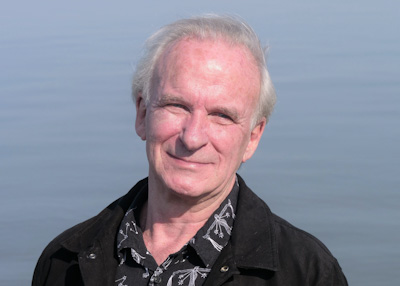
Edwin Auguste Valentijn
Prof. Dr. Edwin A. Valentijn is professor of Astronomical Information Technology at the Kapteyn Astronomical: Institute, University of Groningen, the Netherlands. His research focusses on dark matter and Big Data information systems handling astronomical imaging surveys. In 2002 he founded, and he still leads, the astronomical data centre OmegaCEN; since 2008 he has coordinated the Target initiative to port astronomical technologies to other disciplines. Valentijn founded the Target Holding company and the NL data center for the Euclid satellite. Currently he leads the Target Field Lab with research programmes on Virtual reality and Facts and Fakes recognition. Valentijn initiated and is creative director of a digital planetarium, DOTliveplanetarium, in Groningen,
Nora Luetzgendorf
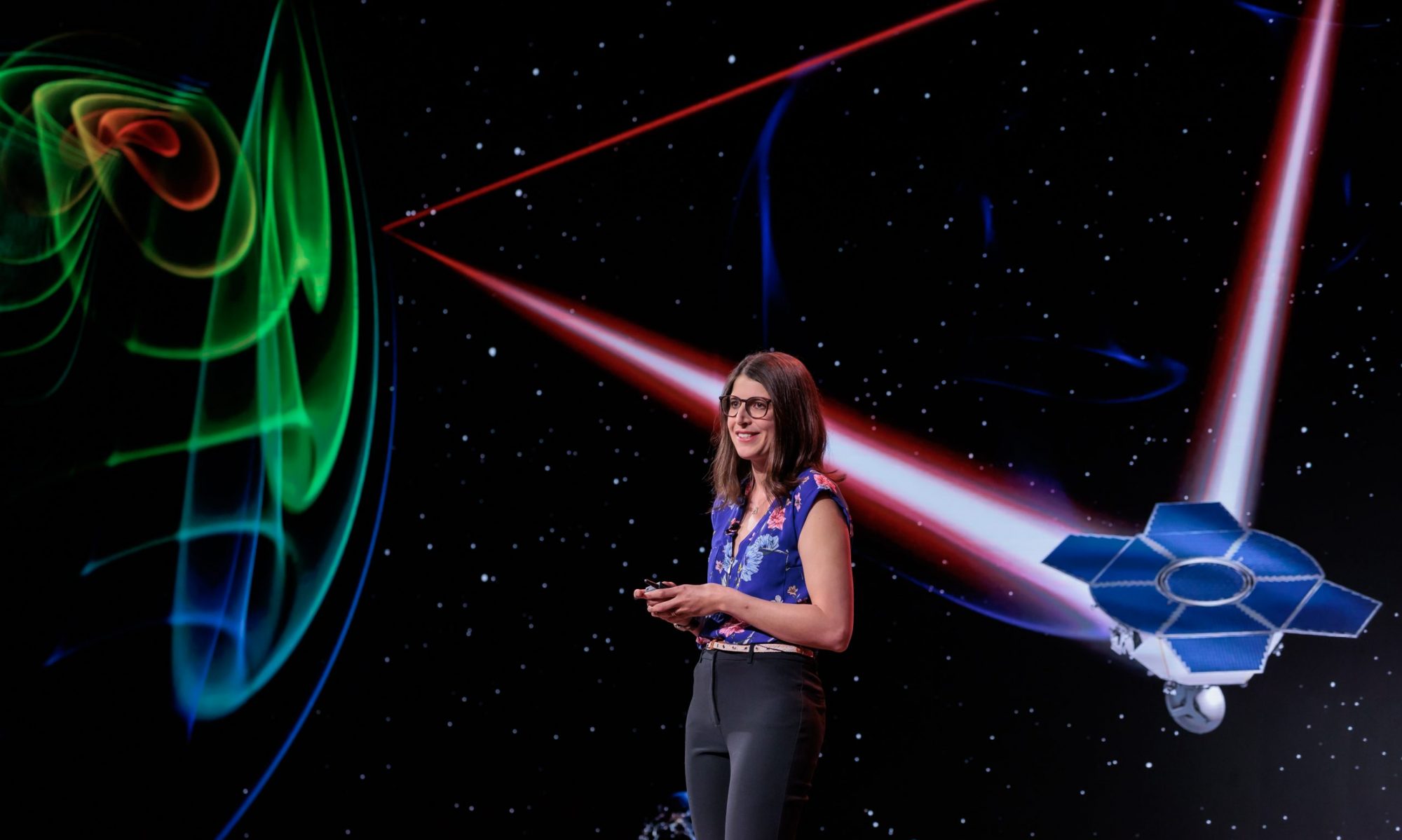
I am an astrophysicist working for the European Space Agency, stationed at the European Space Research and Technology Centre (ESTEC), Noordwijk, The Netherlands. I am Lead Project Scientist for the Laser Interferometer Space Antenna (LISA) Mission. For my science I'm interested in Intermediate-Mass Black Holes in dense stellar systems such as Globular Clusters and Nuclear Star Clusters. Most of my work during my PhD was concentrating on the dynamical states of the centers of galactic Globular Clusters to look for signatures massive central black holes. Later on I shifted my work also towards black holes in the centers of nearby galaxies and our own Milky Way. I have been working with observational data (mostly Integral Field Units), N-body Simulations and AMUSE simulations.
Jan-Torge Schindler
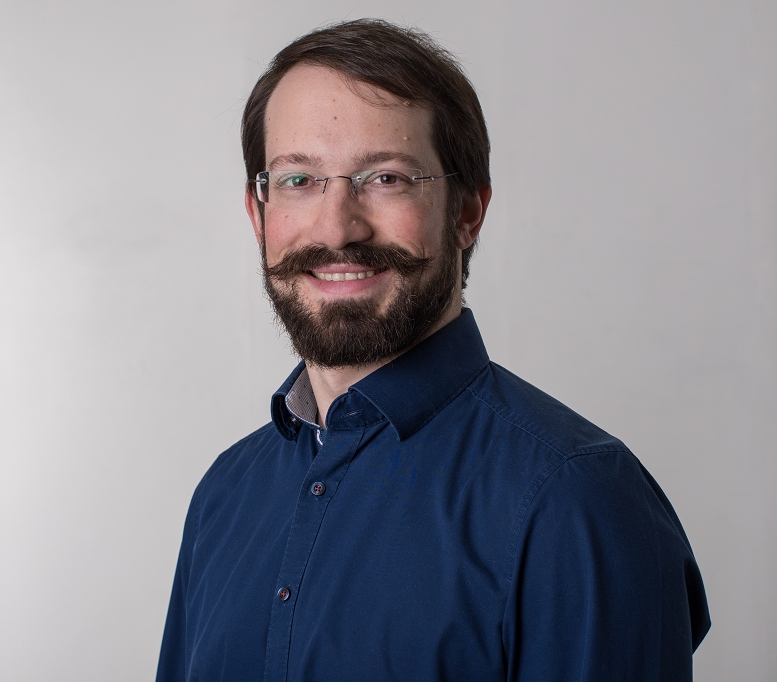
I am a DFG-funded Emmy Noether independent research group leader at Hamburg Observatory (Hamburg University), Germany. As an observational cosmologist, I am interested in the formation of galaxies in the early Universe. My research focuses on the search for and characterization of quasars - galaxies with growing supermassive black holes - within the first two billion years after the Big Bang. I identify these objects in wide-area sky surveys using machine learning techniques and characterize them with ground-based and space-borne telescopes. My main goal is to understand the origin and evolution of supermassive black holes in the context of the formation of cosmic structures.
Venue
The Symposium will take place at the DOT Liveplanetarium (Vrydemalaan 2, 9713 WS Groningen, the Netherlands). This unique location's best known feature is the large white dome, within which our Symposium will be taking place! The dome offers a large amount of comfortable seats under which you can gaze on the night sky - even in broad daylight.





Registration
Anyone can register through the Sirius A website.
Click here to go to the registration page!
About
The Sirius A symposium is an event organized by Sirius A - the study association for Astronomy at the University of Groningen. All aspects of the event were planned by students in the association's S.T.A.R. Talks committee in their free time.
For more information about Sirius A, please visit siriusa.nl.
If you have any questions send us an email at startalks@astro.rug.nl .
Previous Speakers

Gert de Lange
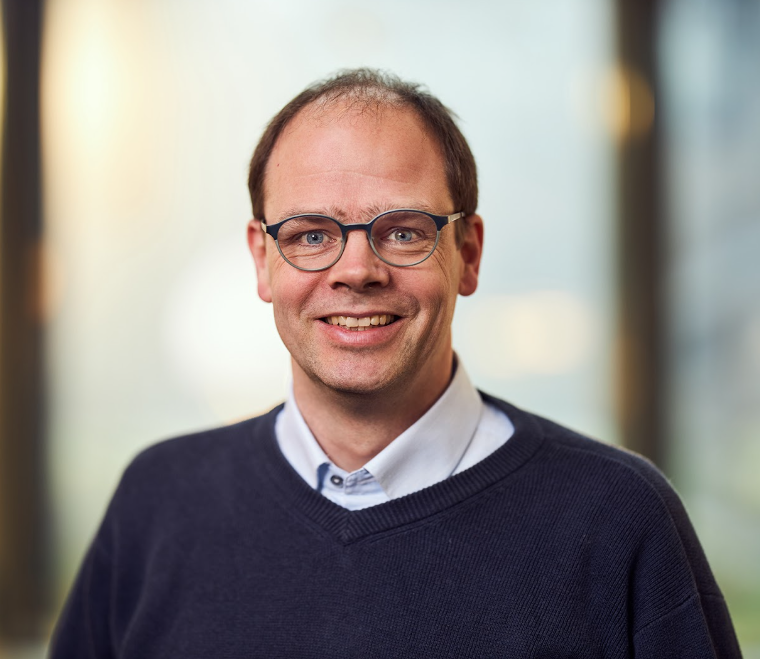
Dr. Ir. Gert de Lange is a Senior Instrument Scientist at SRON Netherlands Institute for Space Research. With a background in Applied Physics from TU Eindhoven and RUG, he completed his PhD at RUG, focusing on the development of superconducting heterodyne mixers for astronomy applications. In 1998 joined SRON and since then he has been involved in instrument development and project management, contributing to groundbreaking missions such as the Herschel/HIFI instrument for ESA's Herschel Space Observatory (2009-2013). His work also includes involvement in balloon missions for atmospheric research, studies on future far-infrared space missions, and assembly, integration, and testing for the LISA mission.
Wim van Cappellen
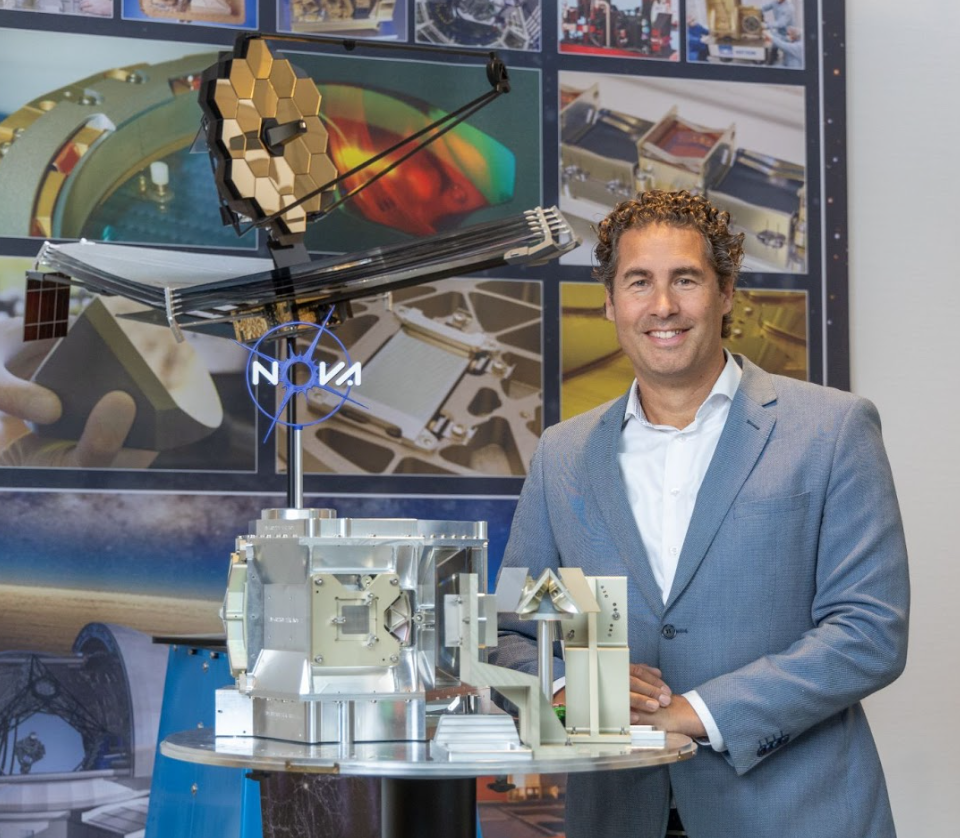
Wim van Cappellen is the Head of Strategic Programs at ASTRON. He has been working on novel radio astronomy instrumentation for more than 20 years. He pioneered the new receiver concept behind the Apertif upgrade of the Westerbork telescope and worked on technology development for the Square Kilometre Array. He is currently leading the LOFAR 2.0 upgrade that will double the sensitivity of the LOFAR telescope at the lowest frequencies that can be observed from earth.
Ramon Navarro
Ramon Navarro studied applied physics in Eindhoven and had a career at Philips Research and ASML. Since 2005, he has been responsible for the optical infrared equipment that astronomers at Dutch universities use for their research. This equipment is always developed in international cooperation for intergovernmental organizations, such as ESA and ESO. The Netherlands is specialized in spectroscopy, vacuum cryogenic infrared equipment and high contrast imaging.
Giuliana Rotola
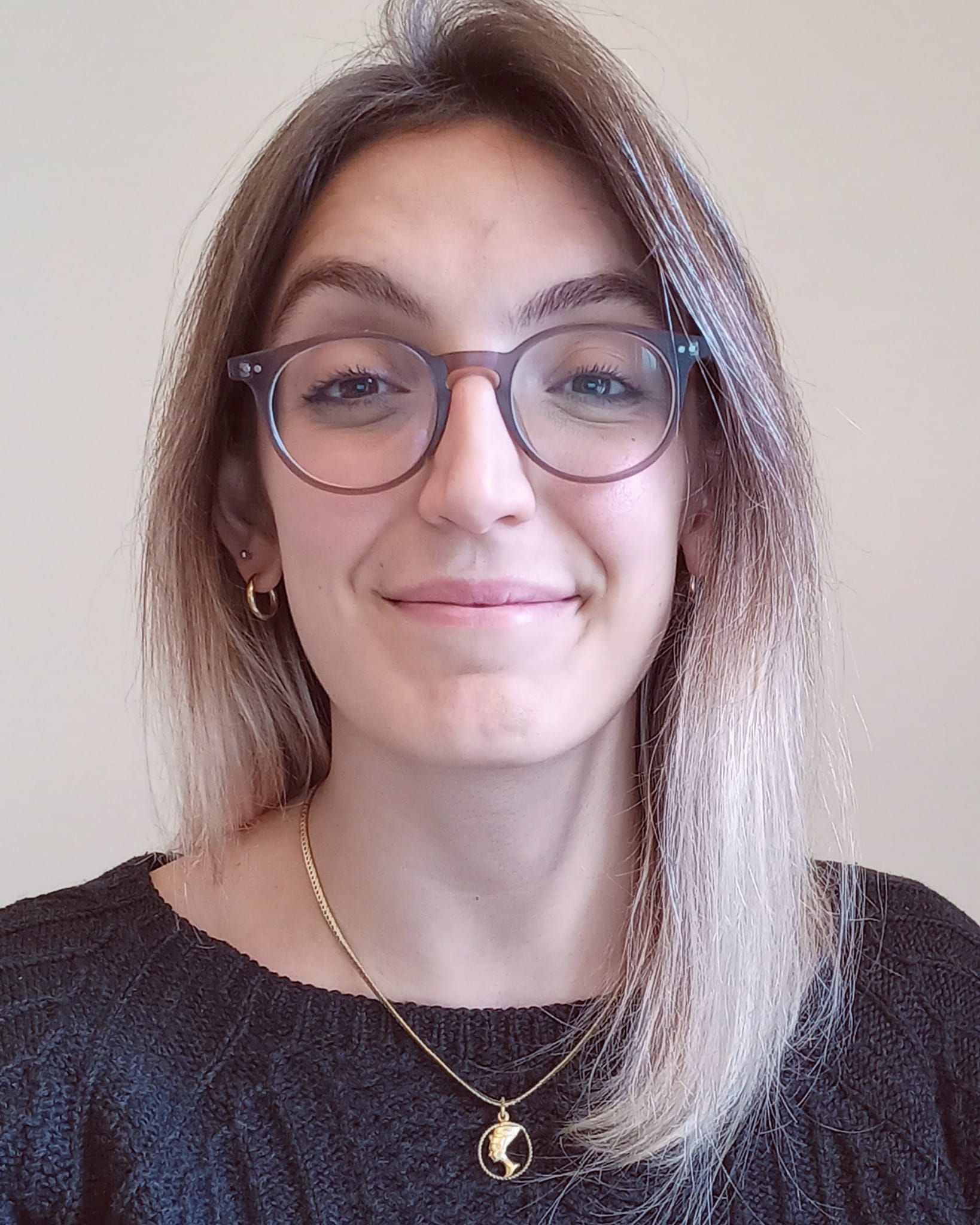
Giuliana Rotola is a PhD candidate in space law at Sant'Anna School of Advanced Studies, where her research focuses on postcolonial critiques of space law and governance. Giuliana holds a law degree from the University of Trento and a Master's in Space Studies from the International Space University. Currently, they serve as Co-Lead of the Policy Hub at the IAU Center for the Protection of Dark and Quiet Skies from Satellite Interference and as Policy and Advocacy Coordinator at the Space Generation Advisory Council. Their work bridges legal theory, international policy, and advocacy in support of a more equitable and sustainable future in space.
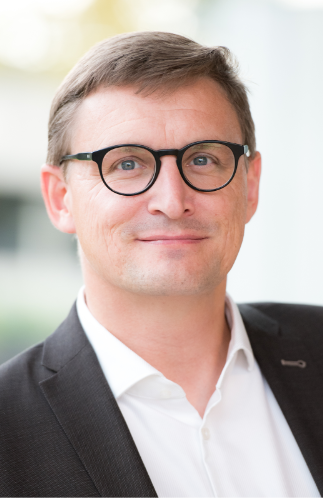
Max Collon
Max Collon is the Managing Director of cosine, a company specializing in innovative measurement solutions for space and industrial applications. He holds a degree in Technical Physics and has an extensive publication record in optics, X-ray technology, silicon bonding, and hyperspectral Imaging. With his work, cosine has achieved significant milestones, including the development of Silicon Pore Optics technology in collaboration with the European Space Agency (ESA). In 2023, the company celebrated its 25th anniversary, marking a quarter-century of advancements in measurement systems. Collon emphasizes solving complex measurement challenges, reflecting his commitment to innovation and excellence in the industry.
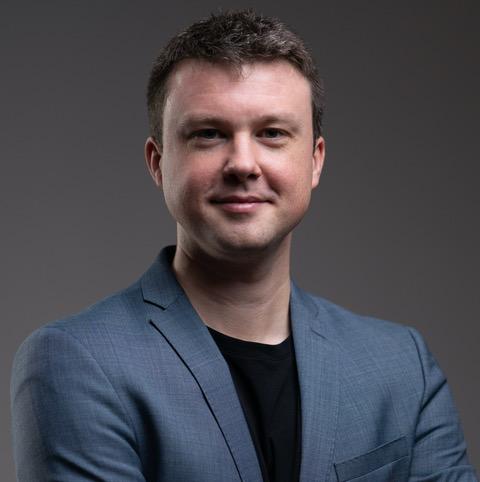
Tim Lichtenberg
Dr. Tim Lichtenberg is an assistant professor at our very own RUG, and heads the Forming Worlds research team. His research centers around the formation and evolution of rocky exoplanets, with the ultimate aim of furthering our understanding of the origin of life in relation to the evolution of planetary conditions.
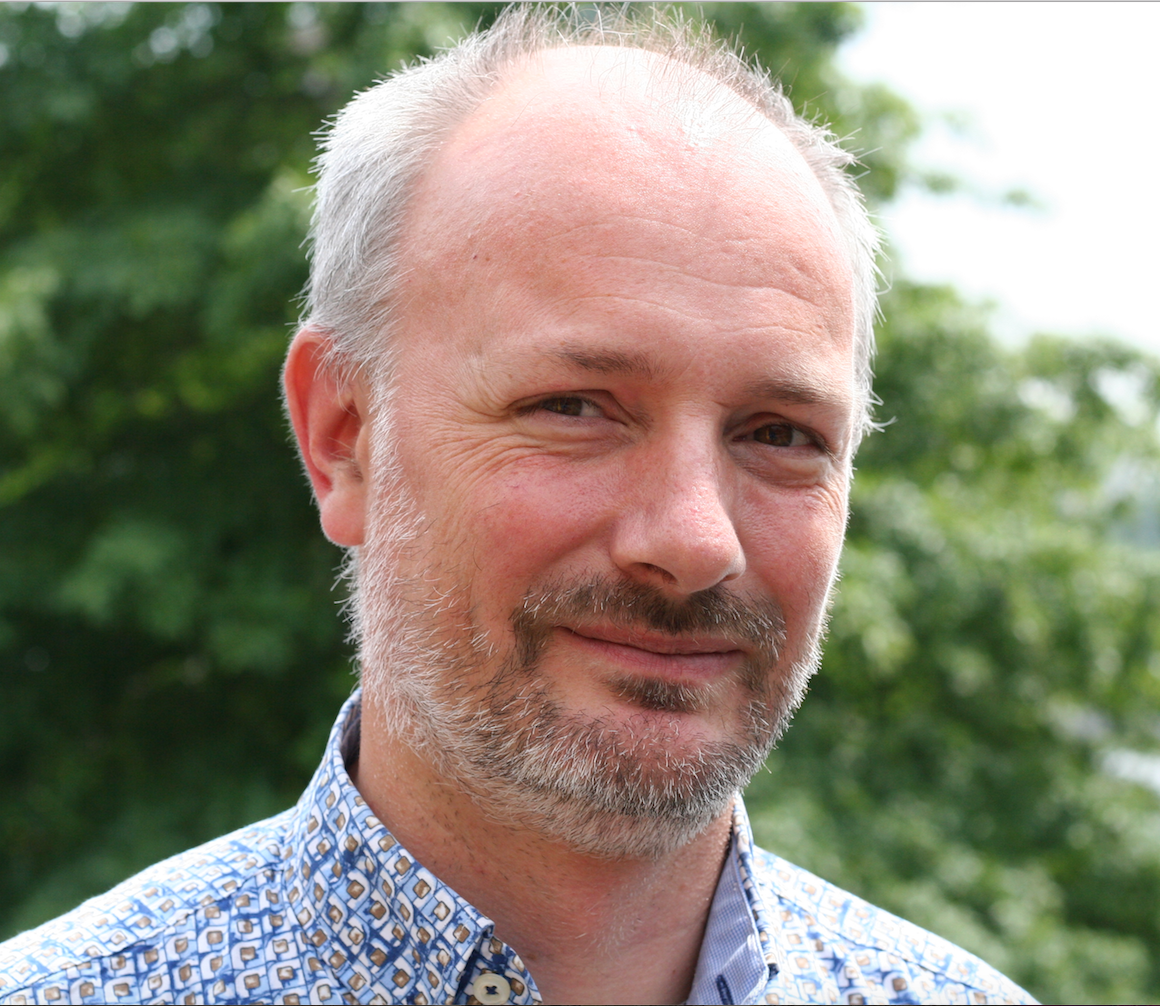
Floris van der Tak
Prof. Dr. Floris van der Tak is a senior scientist at SRON and the Kapteyn Institute. Over the years he has worked in collaborations with several space projects, including Herschel, SPICA and most recently LIFE - a candidate for ESA's next Large Mission focussed on detection of exoplanets and their atmospheres. His areas of expertise include the Interstellar medium, star formation, interstellar chemistry and astrobiology.
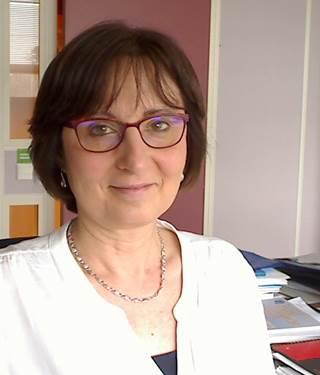
Ana Heras
Dr. Ana Heras has worked at ESA for over 25 years, and works currently as project scientist for Plato: a space observatory that will search for planets similar in size to Earth orbiting sun-like stars. As project scientist, Dr. Heras' focus is on defining the observatory's key scientific objectives and specifying its capabilities.
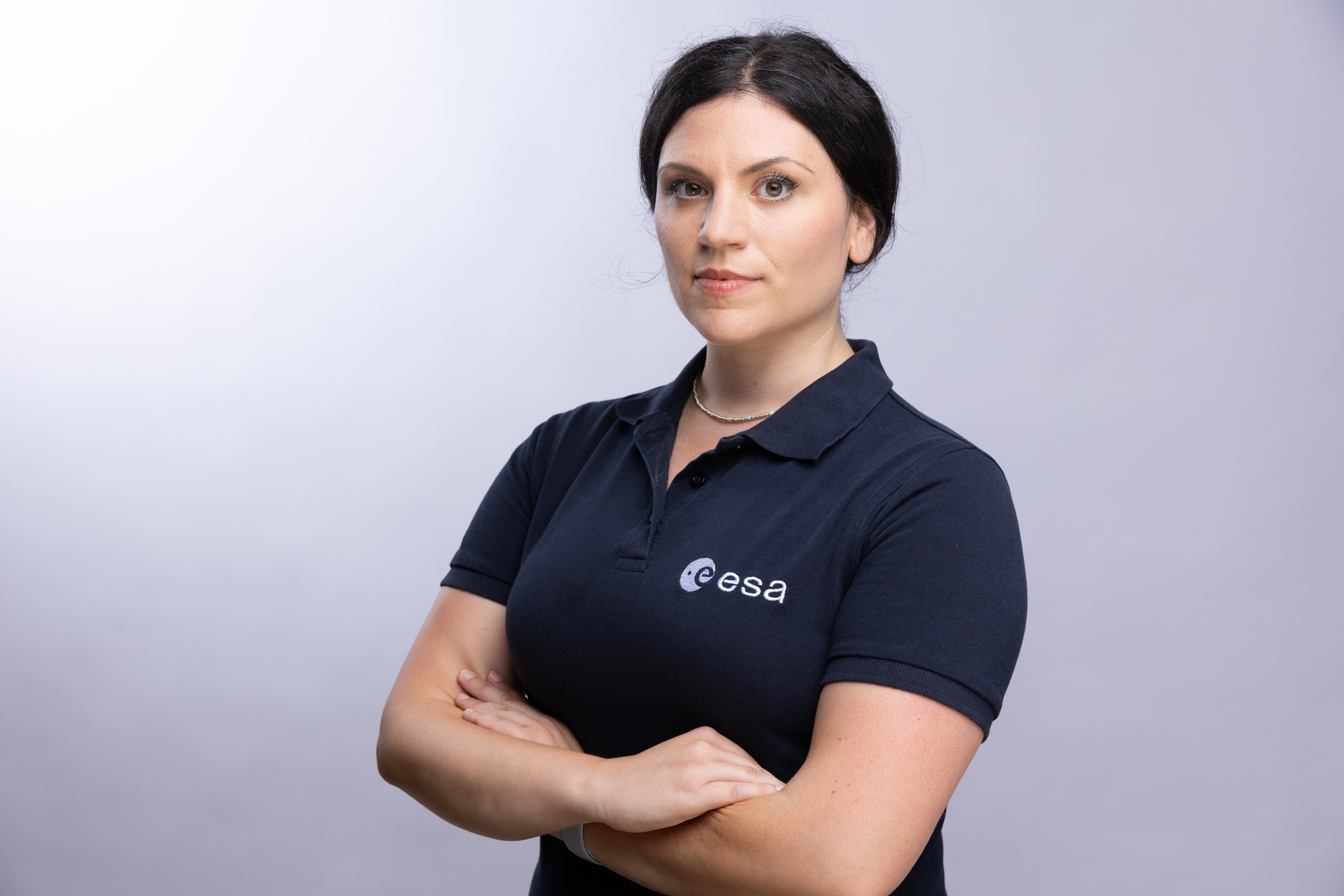
Nicol Caplin
Dr. Nicol Caplin extensively studied plant biology before coming to work at ESA in the field of astrobiology. She now works as an exploration scientist for ESA and ESTEC, and works in the fields of space radiation and radioecology.
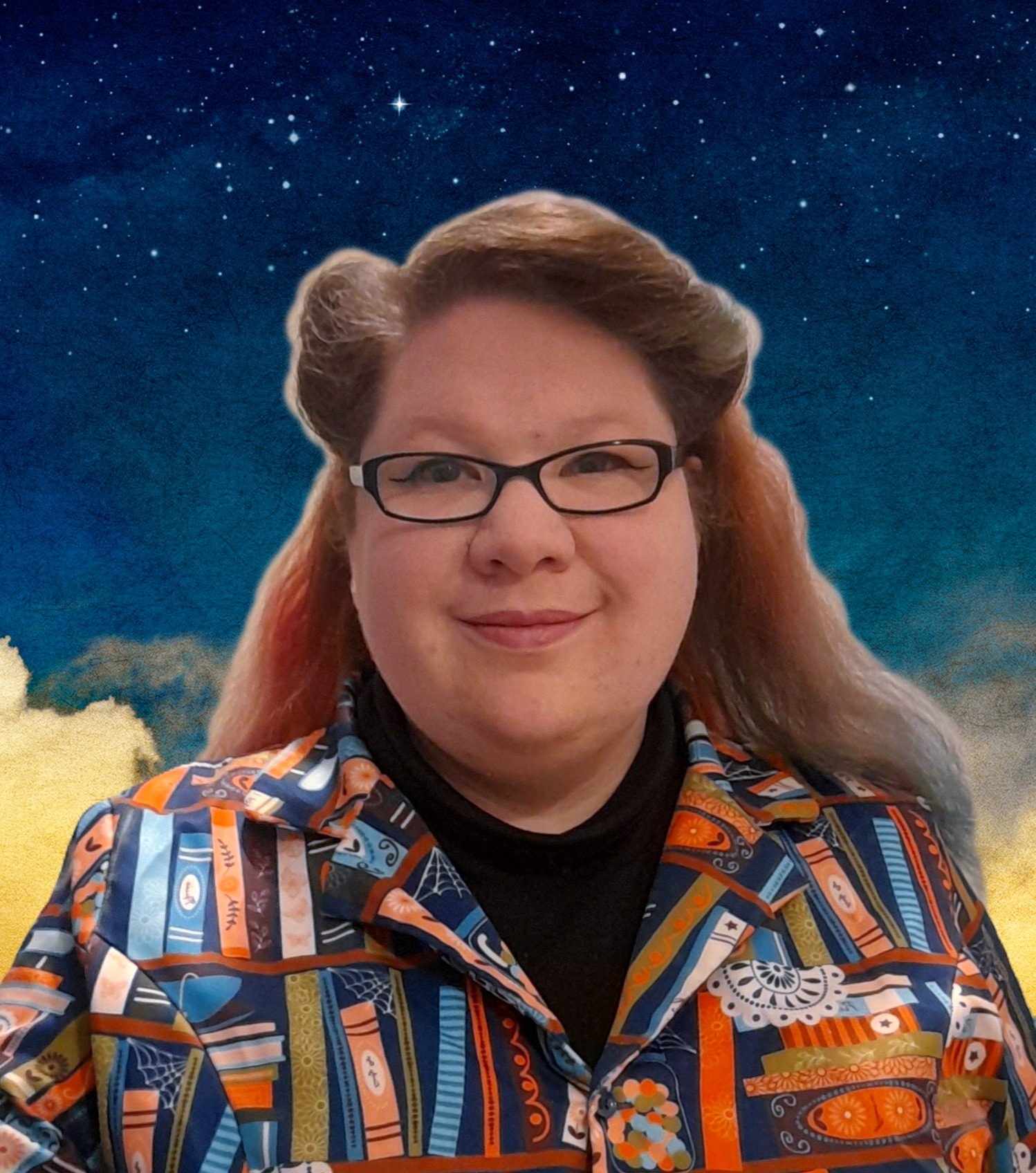
Veronica Allen
Veronica Allen completed her PhD at the Kapteyn Institute in 2018, after which she obtained a fellowship at the NASA Goddard space flight center for three years. Now back here in Groningen, she researches the origins of molecules within star-forming regions.
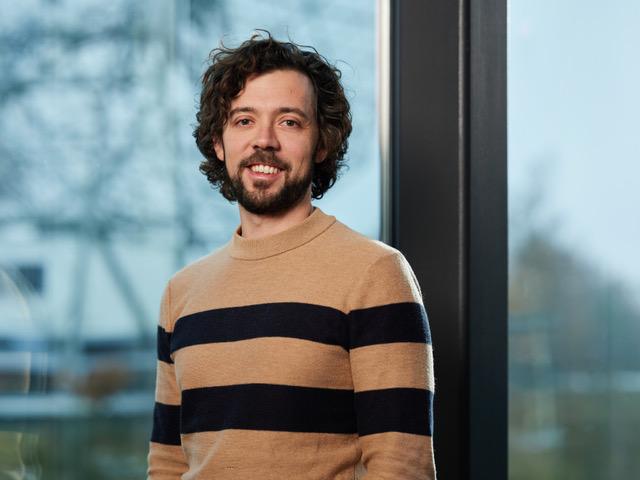
Joseph Callingham
Dr. Joseph Callingham has expertise in the fields of radio astronomy, extragalactic astronomy, stellar systems and high-energy astrophysics. Dr. Callingham works at ASTRON as the head of the Square Kilometer Array science group, and teaches at Leiden University.